The heavens declare the glory of God,
    and the firmament proclaims his handiwork.
Day to day pours forth speech,
    and night to night declares knowledge.
There is no speech, nor are there words;
    their voice is not heard;
yet their voice goes out through all the earth
    and their words to the end of the world.

In the heavens he has set a tent for the sun,
which comes out like a bridegroom from his wedding canopy,
    and like a strong man runs its course with joy.
Its rising is from the end of the heavens
    and its circuit to the end of them,
    and nothing is hid from its heat.

The law of the Lord is perfect,
    reviving the soul;
the decrees of the Lord are sure,
    making wise the simple;
the precepts of the Lord are right,
    rejoicing the heart;
the commandment of the Lord is clear,
    enlightening the eyes;
the fear of the Lord is pure,
    enduring forever;
the ordinances of the Lord are true
    and righteous altogether.
More to be desired are they than gold,
    even much fine gold;
sweeter also than honey
    and drippings of the honeycomb.

Moreover, by them is your servant warned;
    in keeping them there is great reward.
But who can detect one’s own errors?
    Clear me from hidden faults.
Keep back your servant also from the insolent;
    do not let them have dominion over me.
Then I shall be blameless
    and innocent of great transgression.

Let the words of my mouth and the meditation of my heart
    be pleasing in your sight,
    O Lord, my rock and my redeemer.
Psalm 19
“May the words of my mouth and meditations of my heart be pleasing in your sight, O Lord, my rock and my redeemer.” These are the last words to Psalm 19, which is one of our readings today, so you’ve now heard these words three times today. Many of us preachers say this right before we preach, like a plea to God and to you, “Please forgive me if I say something dumb.” And I think you mostly have, so thank you.
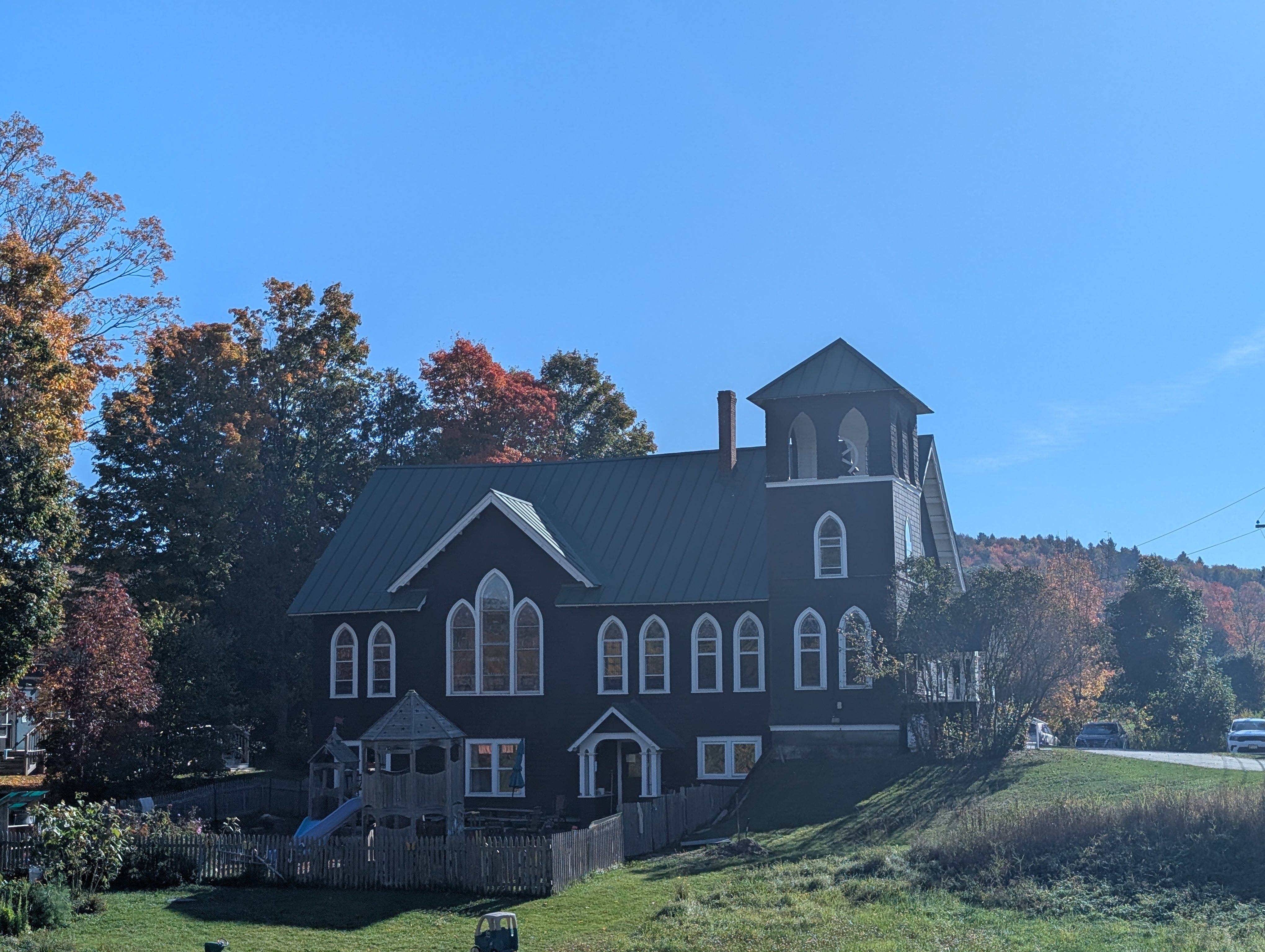
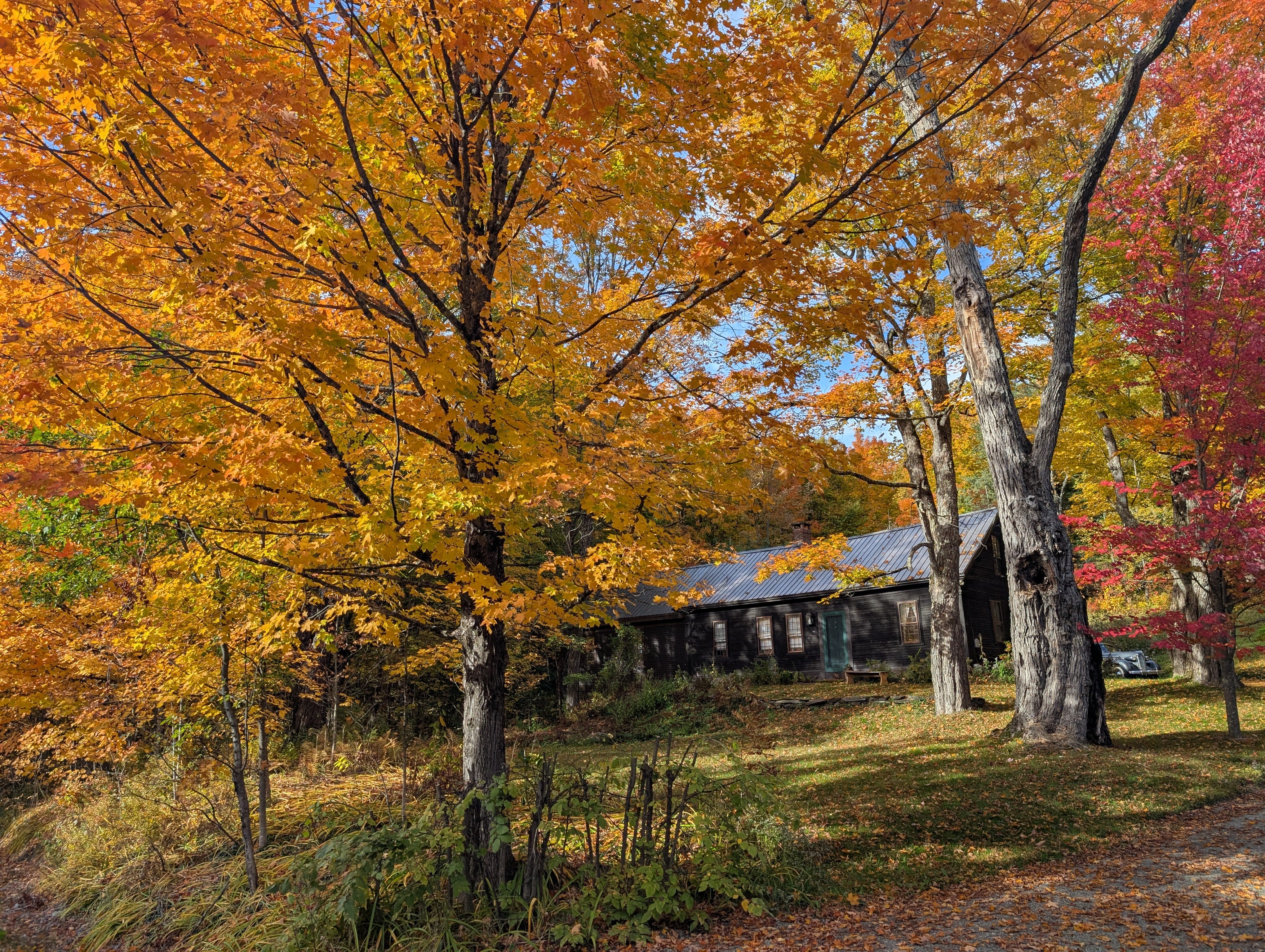
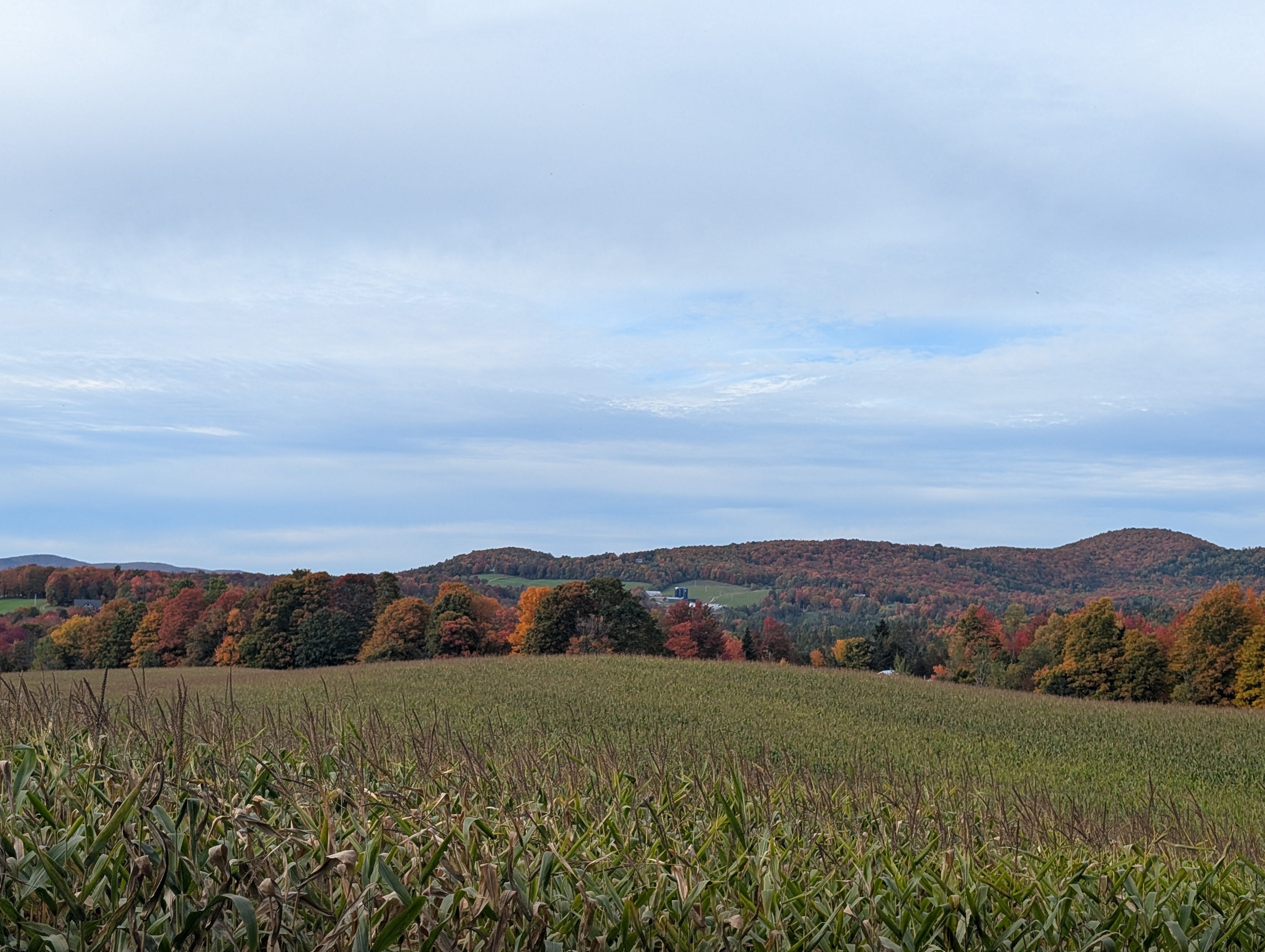
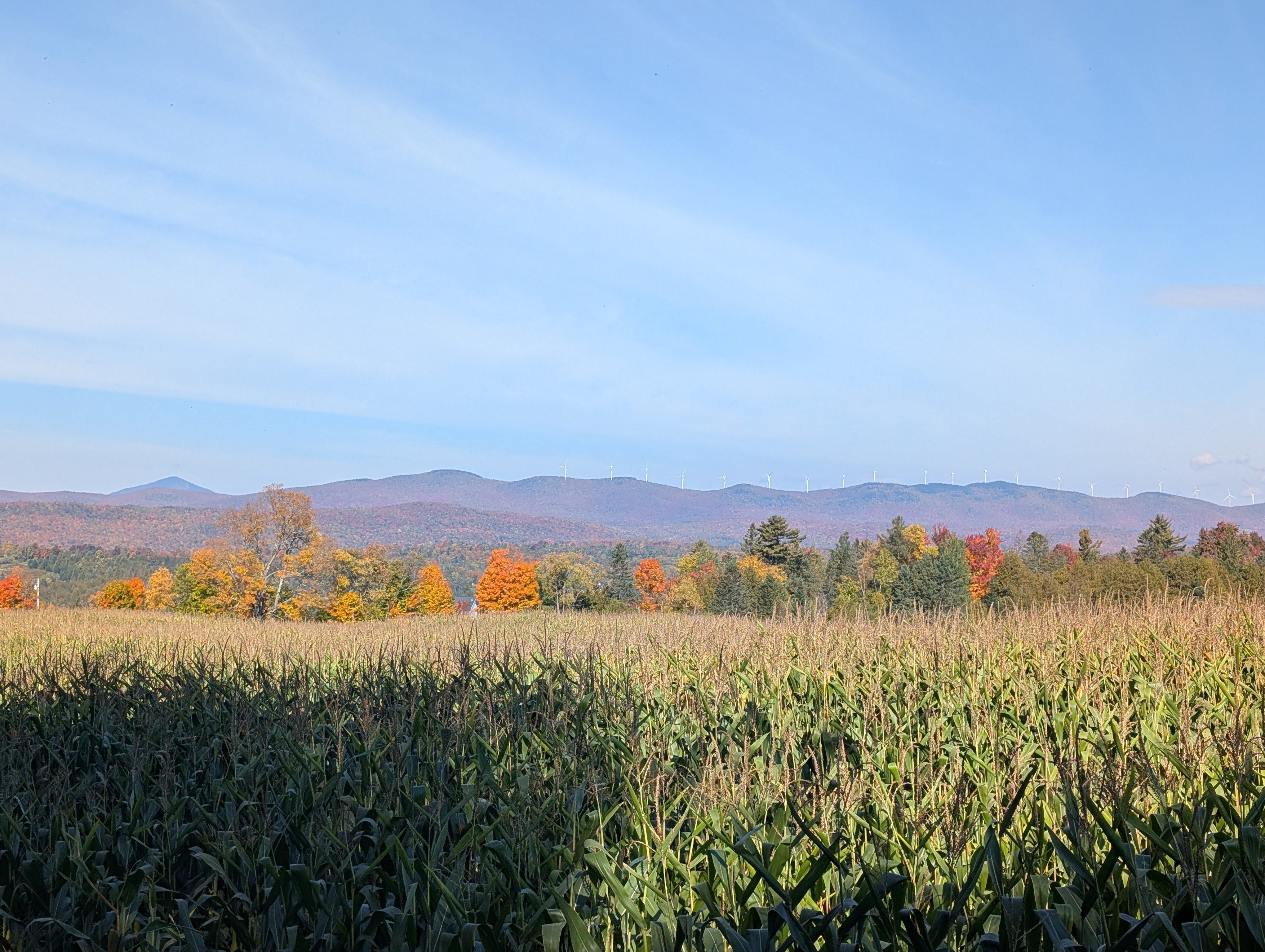
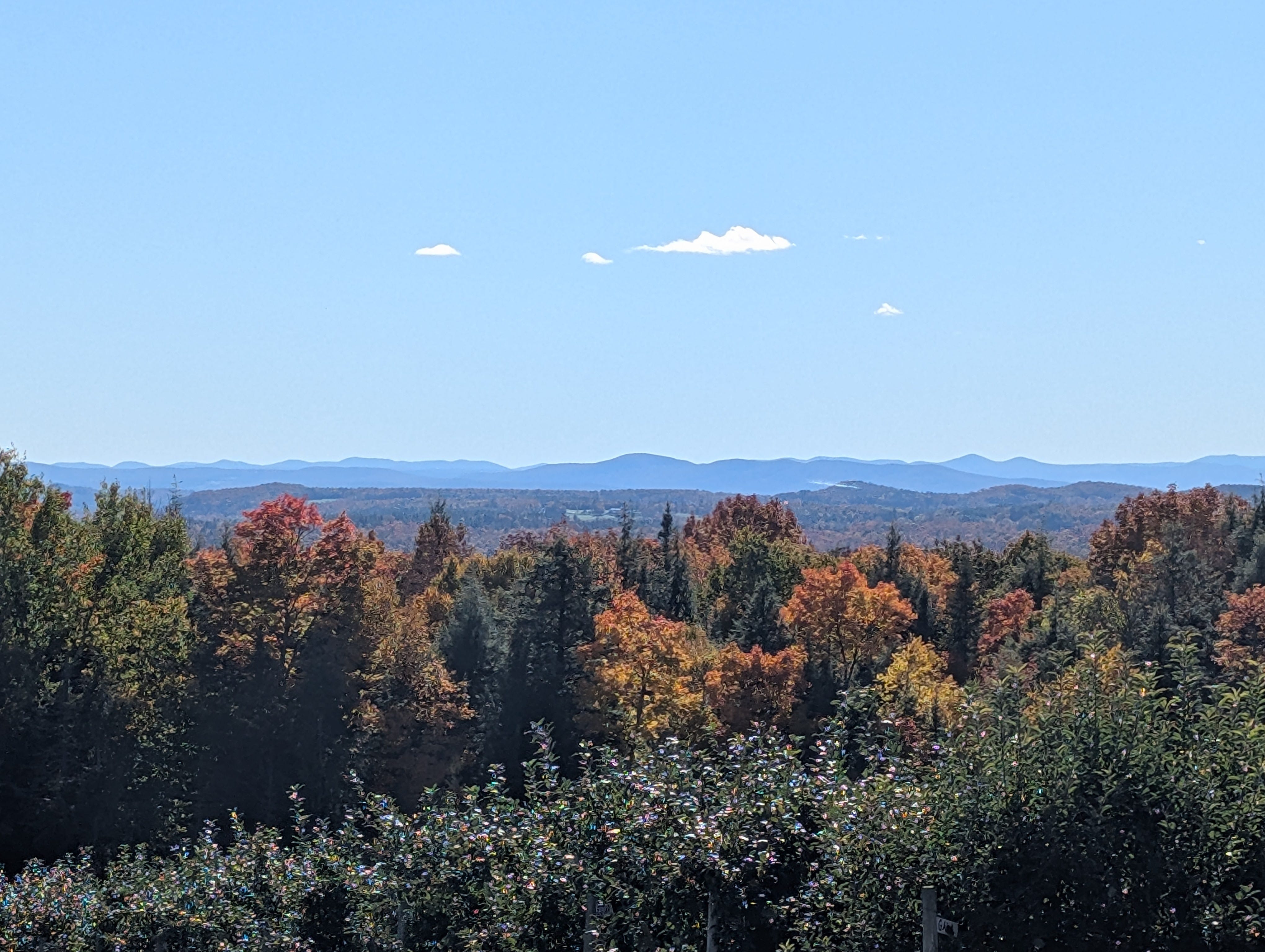
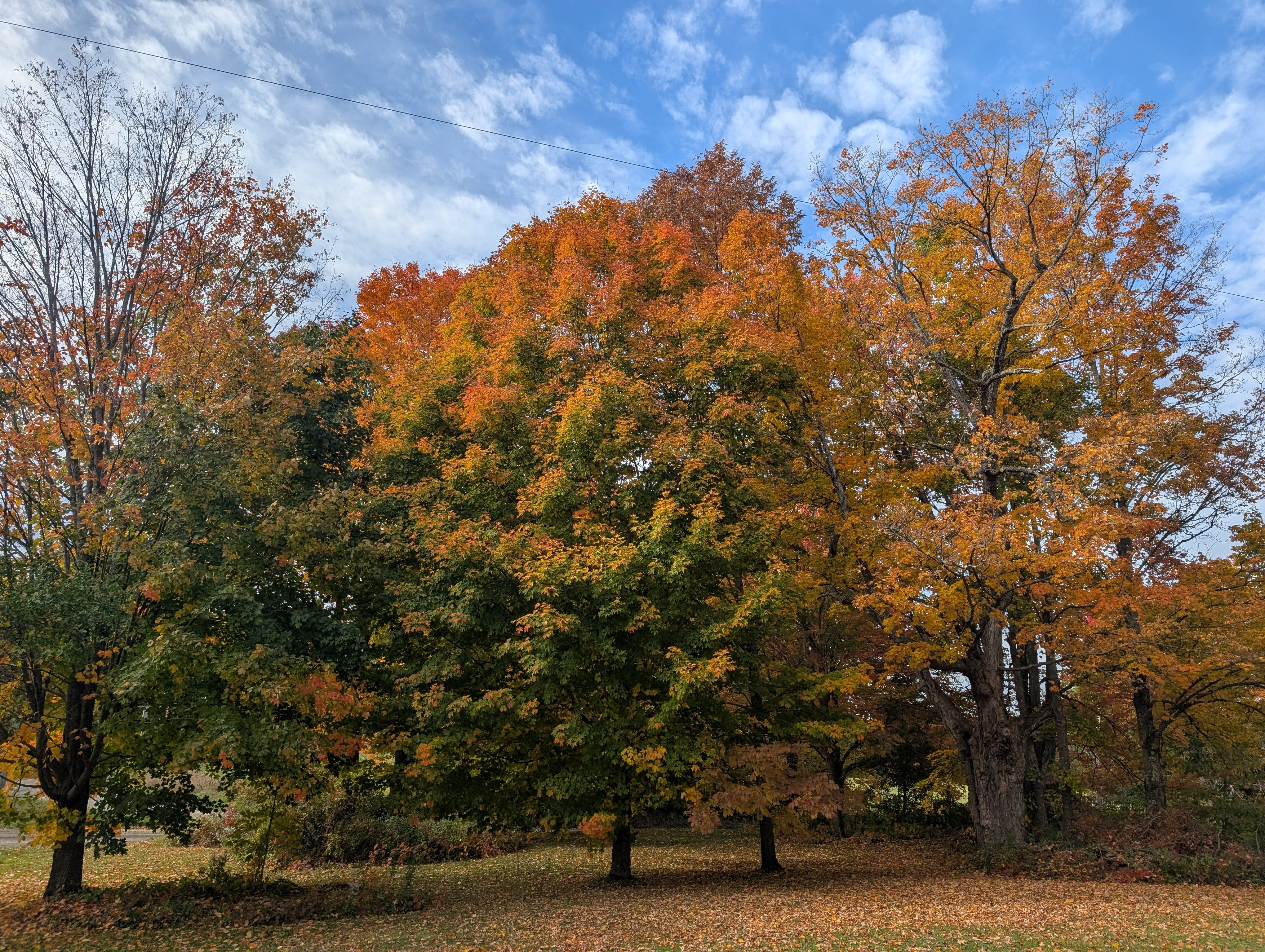
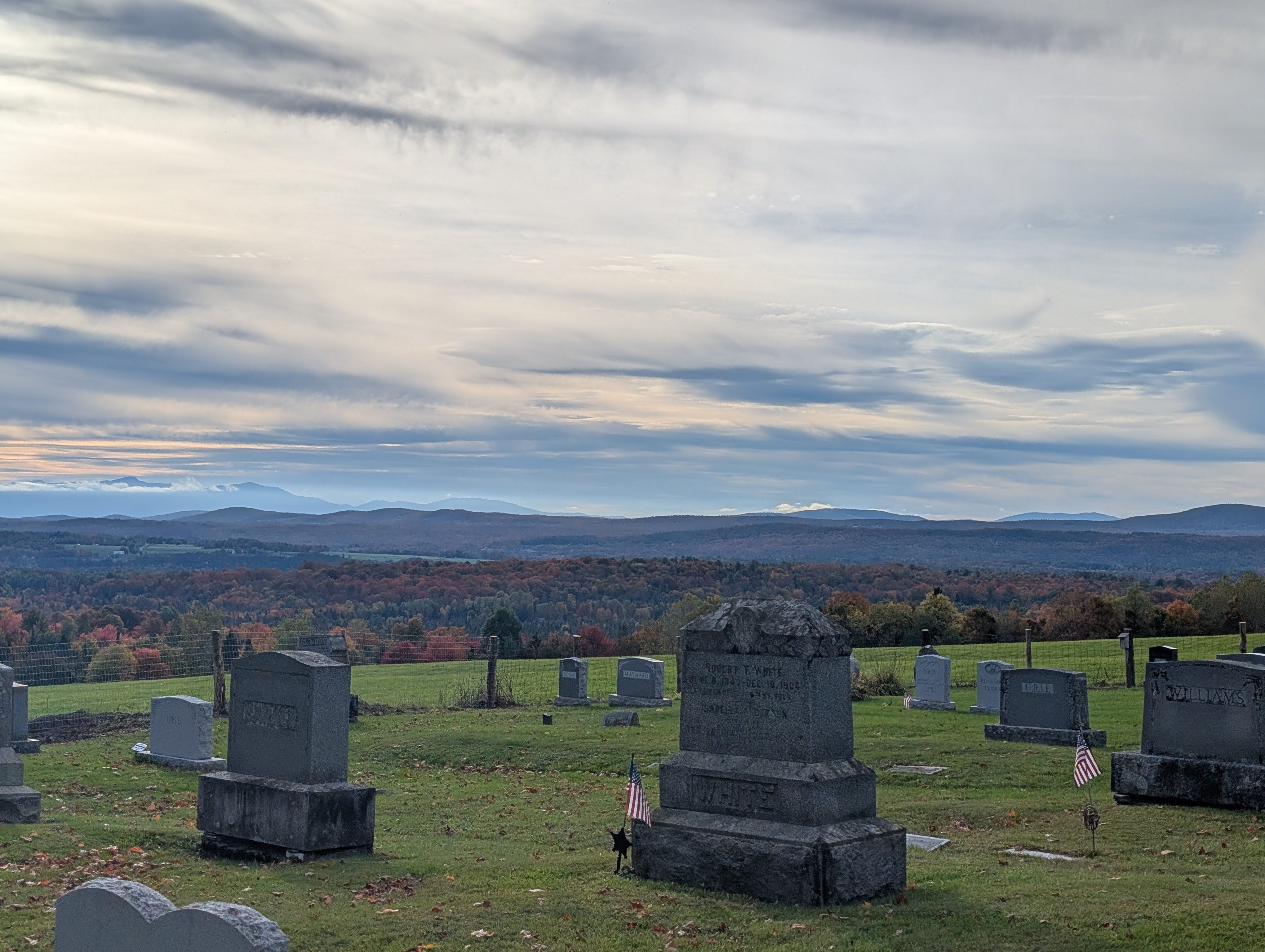
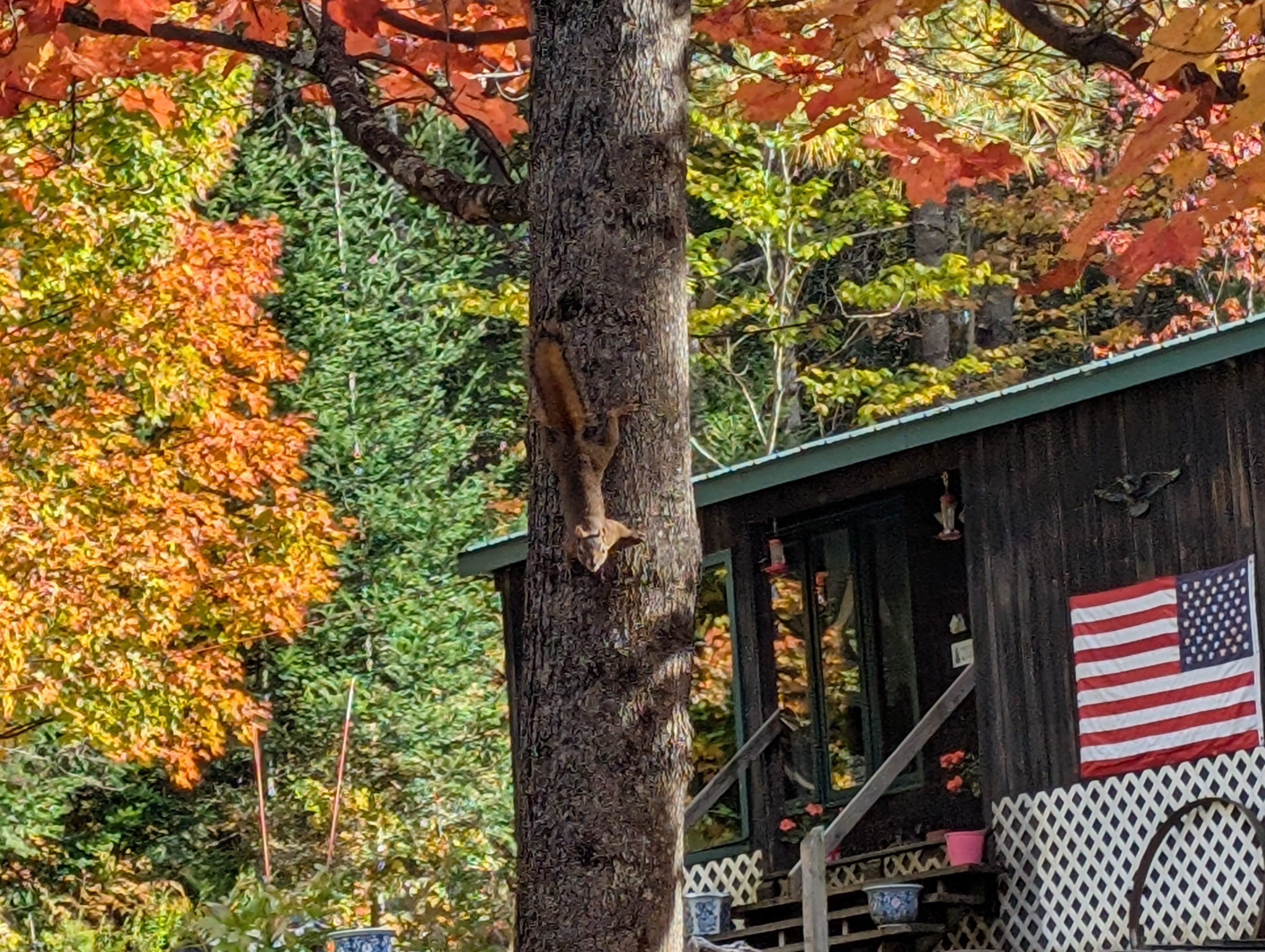
As some of you know, almost every week, when I begin working on my sermon, I walk outside and think about this week’s readings. This week, the beauty on South Albany to Shatney to Shadow Lake and Ketchum Hill was stunning enough to walk twice; if you are a Vermonter who has been outside or simply looked outside this week, you have already been preached to this week. Every preacher who lives here has the gospel preached to them by the hills, the trees, the sideways sun when it emerges from the clouds and, this week, the leaves slowly letting go of their green to pour forth a sermon beyond speech, a silent voice whispering through all the earth of the power and presence of God. Around here, that’s just a walk around the block on a Wednesday.
Whether they know the opening words to Psalm 19 or not, every rural Vermonter knows “the heavens declare the glory of God, and the firmament proclaims his handiwork.” (v1) One reason I take pictures on these walks is to share some of these wordless sermons of God that are far more beautiful than the words of men (this week, I’m going overboard). Because it’s not just peak foliage season, but as the psalmist says, “day after day pours forth speech, and night to night declares knowledge. There is no speech, nor are there words; their voice is not heard; yet their voice goes out through all the earth and their words to the end of the world.” (v2-4)
But after the heavens and the stars, the Psalm takes an interesting turn. Now we’re not walking through the forest, but through the beauty of God’s Word. I won’t try to paraphrase it, just echo it: “The law of the Lord is perfect, reviving the soul; the decrees of the Lord are sure, making wise the simple; the precepts of the Lord are right, rejoicing the heart; the commandment of the Lord is clear, enlightening the eyes; the fear of the Lord is pure, enduring forever; the ordinances of the Lord are true and righteous altogether. More to be desired are they than gold, even much fine gold; sweeter also than honey and drippings of the honeycomb.” (v.7-10)
Why are these sections put side by side, the heavenly wonders of creation and God’s Teaching? It’s almost a very gentle challenge, but really an invitation: can you walk in the Law of the Lord with the same wonder and awe that you walk in the beauty of creation? Let’s be concrete: I won’t ask for a show of hands, but does reading the Ten Commandments fill you with the same awe as peak foliage season? If not, why not?
Sure, we may still hear the Ten Commandments with some reverence as the building blocks of our ethics. But of course, even in the much simpler times of humanity in ancient Israel, life was complex, brutal, unfair, and humans are unpredictable, so God did not stop at ten laws, but breathed out many, many more rules, which still do not cover every human situation, and breathed a yet more fundamental Spirit underneath the Law, guiding us to wholeness with him and goodness with each other. But we know rules can be cruel, and humans even crueler in applying them. As Paul would say, sin loved working through the Law. Sin takes what is sweeter than honey and turns it rotten.
So the decrees of the Lord may not comfort us at all in the most complex, morally fraught situations in the world, those times when we realize that not only are humans imperfect interpreters and arbiters of divine goodness, humans are not very reliable judges of ourselves or other people at all. One of the biggest problems that has defined our whole history is “Who among us can judge?” And how? King Solomon wrestled with this at the start of his kingship: God, you made me a king, but I don’t know anything, and there are so many people in your kingdom, so much complexity, and who can tell good from evil? God makes Solomon wise, and he is at first a marvelously wise judge (as seen in the story of the two women and the baby). But eventually, the king succumbs to his own pride and selfishness and violates God’s Law despite God directly blessing him with wisdom. So God’s justice may be perfect, but who can administer the thing that keeps us from sin if we’re all sinners? Sin has, once again, put us in an impossible situation.
But an even bigger problem than “who can judge” is “who can be judged and live”? We all want an easy conscience, but none of us has a truly clean conscience by our own standards of righteousness without whitewashing something somewhere in our lives. All our motives are tainted and so are our actions. Psalm 19 is attributed to David, but as it goes on, it ponders, “But who can detect one’s own errors?” (v12) Do we just need to walk even more in the woods of God’s Law to more fully understand it, to meditate on it day and night, to marinate in it?
Paul said, “Oh, I’ve tried this.” In our Philippians reading today, he lists off his credentials showing he is not just a true Jew, but “as to the law, a Pharisee…and as to righteousness under the law, blameless.” (Phil 3:6) And yet—and it’s a big yet—“whatever gains I had, these I have come to regard as loss because of Christ. More than that, I regard everything as loss because of the surpassing value of knowing Christ Jesus my Lord.” (v7) He goes on to say they are “rubbish,” garbage, the only time in the Bible we have this particular Greek word for “dung.”
Paul says he’s thrown all this stuff away, all his credentials, all the ways he would be blameless under the law, in order that he may be found in Christ instead: “not having a righteousness of my own that comes from the law but one that comes through faith in Christ, the righteousness from God based on faith.” (Phil 3:9)
One of the problems with walking through the beautiful forest of God’s Word is that our sin wants to read it like we read everything: looking for ways to justify ourselves as righteous. How many times do we read Bible stories looking for confirmation that we’re good and “they” are bad? We might have done it with the parable this morning, “those evil Pharisees at it again—thank God I’m not like them!” (which is, of course, the Pharisee’s prayer in another parable). But reading the Bible to confirm our own goodness is like walking through the woods during peak leaf season and somehow thinking, “Man, aren’t I great?”
But we didn’t make the trees. We didn’t craft the leaves. We didn’t craft ourselves. And whatever true righteousness we have comes not of ourselves, but only from God, and if we believe that Jesus was who he says he is, then it is only by grace alone through faith alone in Christ alone that we have righteousness. As Tim Keller said, what makes a Christian is not that we repent of our sins—which many people do—what makes us a Christian is that we repent of our righteousness. We finally admit that there is no way to make ourselves morally upright. We finally admit that all the ways we’ve tried were rubbish. We finally admit, “God, I can’t do it. I can’t see my hidden faults. I am captive to my pride. I need a redeemer.”
We are all made in the beautiful image of God, Spirit-breathed flesh, souls in bodies, yet by our own freedom and stubborn sin, unable to make ourselves good. Even relying on the beauty of creation, or the beauty of the Law, these are not rocks, these are not redeemers. God alone is. So it is not a walk in the woods, or a walk in the Law, that saves us. It is a walk with Jesus, who takes us through the woods, through the Law, sometimes into the valley of the shadow of death, heading to the cross, but never alone. We leave behind our checklists of what makes us a “good person” in our own eyes to see what makes us a loved person in his eyes.
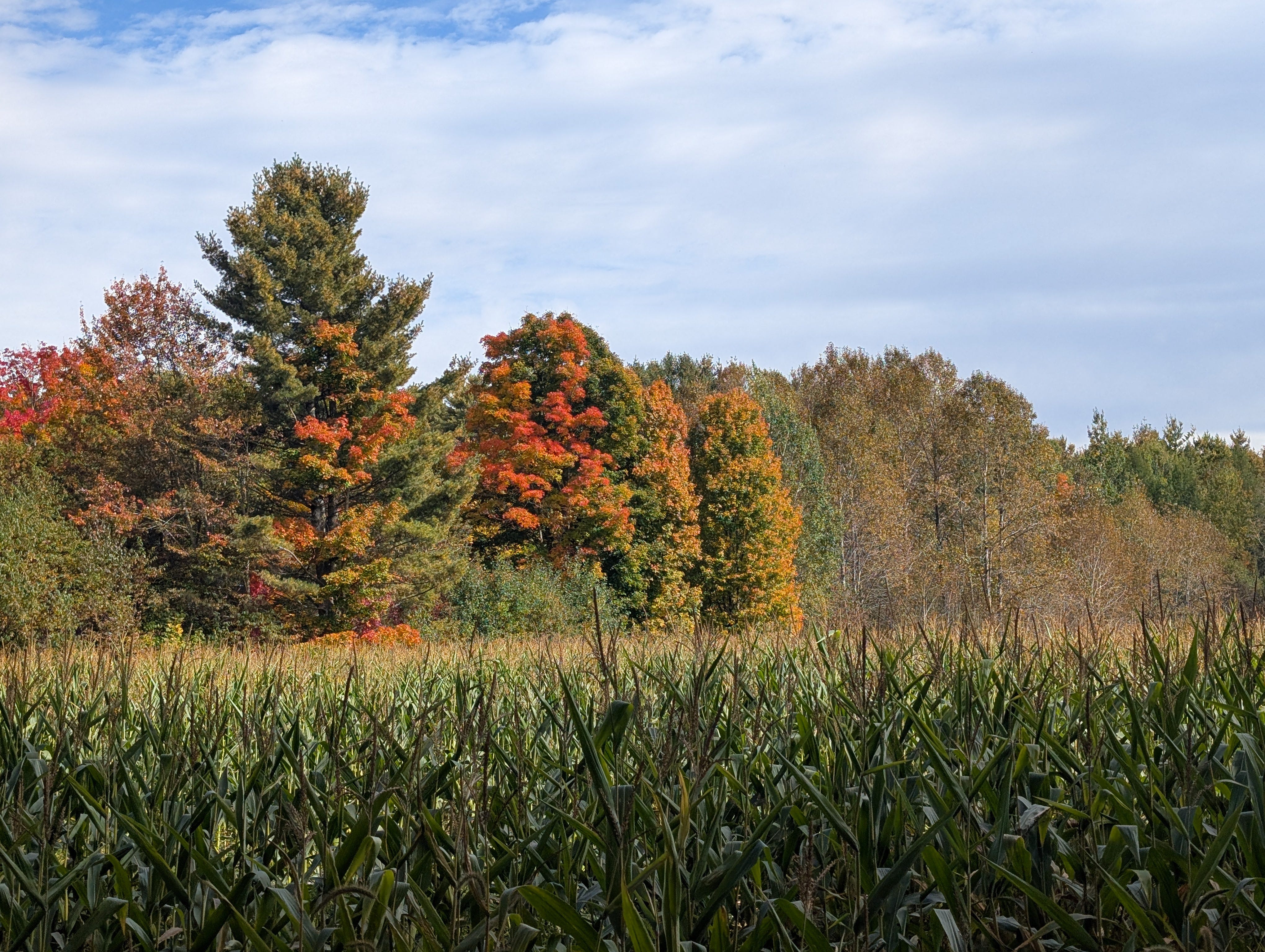
But it’s still wonderful to soak in the beauty of nature, and it’s still wonderful, if we can trust it, to soak in the beauty of God’s Word and meditate on his Law day and night as Scripture invites us to. Not to become moral arbiters ourselves or to imagine we are judges who sit at God’s right hand, but to accept the gift of his grace. Just like we don’t look at the trees to say “Look how great I am,” we read the Bible to see how great God is, which we can through the light and revelation of Jesus Christ, who alone fulfills the Law as our only judge.
Why can we trust Jesus as our judge? Because he is a judge who would sacrifice himself for mercy. A judge who tells us the truth that, on the basis of our sins and our lives, we are all unrighteous and all fall short of the glory of God…but also tells us that because of his glory, because of his love and in giving his life, resurrecting in defiance of sin and death, all can enjoy the gifts of his righteousness by abiding in him. So can you walk in the Law of the Lord with the same wonder and awe that you walk in the beauty of creation? With Jesus Christ, we can walk anywhere.
Walk with him with a humble heart. God loved that King Solomon didn’t ask for long life or the death of his enemies, but simply help discerning right from wrong, because he couldn’t do it alone (1 Kings 3). Walk through the beautiful woods of God’s Word not seeking to justify our own goodness or our enemy’s badness, but for awe and wonder, to learn, to be immersed in conversation with God, always reading Scripture through the light of Jesus Christ and with the help of the Holy Spirit. While we will never be perfectly wise or good, you will be amazed at the ways God will read you in the leaves of the Book, spending time with the one who judges all human partial morality and false self-righteousness and doesn’t hate us for it, but loves us within it.
So when we stand before God who made the heavens, and when we draw near to the glory of our Lord Jesus Christ who walks with us everywhere, what can we possibly say? “Let the words of my mouth and the meditation of my heart be pleasing in your sight, O Lord, my rock and my redeemer.” Amen.